C-bet Strategy in Single Raised Pots
A macro-level overview of single raised pot in-position play
This guide focuses on sizing strategies, frequency trends, and the thresholds required for effective postflop continuation betting in 5-Card PLO.
Sizing Strategies by Board Texture
| Board Texture | C-bet Size | Rationale |
|---|---|---|
| Unpaired boards | ~75% pot | These textures feature significant equity denial, allowing you to force folds from opponents who might otherwise realize their equity. |
| Paired / Monotone boards | ~33% pot | On these more static boards, the opponent's range is typically "locked down," reducing the need for large bets. Blockers become more relevant than pure equity denial. |
| Straight-heavy boards | ~50% pot | Although somewhat locked down with straights available, many hands retain equity through backdoor draws and potential full houses. |
Example: Unpaired Board
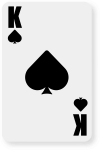
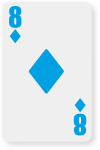
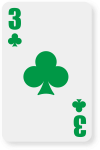
On a dry, unpaired board like K-8-3 rainbow, a larger c-bet of ~75% pot is appropriate. This board hits the preflop raiser's range harder and there is significant equity denial value.
Example: Paired Board
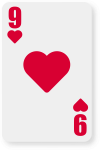
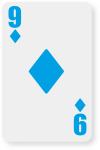
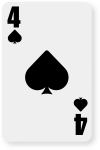
On a paired board like 9-9-4, a smaller c-bet of ~33% pot is sufficient. Ranges are more defined and blocker effects matter more than raw equity denial.
Frequency Trends and Positional Dynamics
Position influences betting frequency significantly. When playing in position (e.g., from the button), you can c-bet at a higher frequency because you have the advantage of acting last on subsequent streets.
General principle: The more dynamic the board texture (unpaired, disconnected), the more aggressively you should c-bet. The more static the board (paired, monotone), the more selective you should be.