Playing Multiway Flops
Three or more players: nuts or nothing
Multiway flops are more common in PLO5 than theory suggests, because many players call too much preflop. They are also where the difference between nut hands and second-best hands is most brutal. With three or four players, fifteen or twenty hole cards are in play — someone usually has a strong piece of the board.
How equity collapses multiway
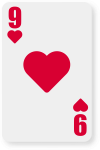
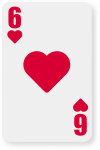
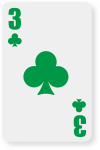


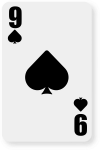
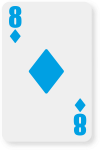
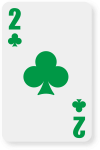
Against one opponent with a nut flush draw and a wrap, this hand has about 29% equity. Add a third player holding a set, and it drops to 7%. Exactly this kind of hand — strong-looking, not nutted — causes the biggest losses in multiway pots.
Principles for multiway flops
- Ask what the nuts will be on the turn and river, and whether you are drawing to them. If you hold the bottom end of a wrap or a non-nut flush draw, plan to keep the pot small.
- Check much more. As the preflop raiser in a three-way pot, especially sandwiched between two players, you can check a very large part of your range. Your bets should come from hands that are either very strong or that make others fold a lot of equity.
- Avoid bloating pots with one-component hands. Bare top pair, bare two pair and bare overpairs are hands to check and evaluate.
- Bet-folding is fine. Putting in a bet with a strong-but-not-nut hand and folding to heavy resistance is often better than check-calling three streets.
Bets as semi-bluffs
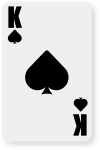
On high boards, a bet in a multiway pot is often more of a semi-bluff than a value bet. Imagine a four-way pot on A-K-2 where you hold A-K with a card of the flush suit and several blockers. Very few worse hands will call, but you can fold out stronger holdings such as small sets and weak two pairs that don't want to continue into three players, while still having equity when called. The bet works because of blockers and fold equity, not because you get called by worse.



Bluffing needs stronger blockers
As ranges get tighter and stronger — and a multiway pot has a strong combined range — your bluffs need to block stronger hands. In heads-up play you can bluff with bottom pair; in multiway pots good bluffs often contain top pair or even two pair with excellent blockers, because those block the hands that will continue. A hand like top and bottom pair on a draw-heavy board can be a reasonable bluff if it rarely wins at showdown and blocks the nuts.

Facing bets multiway
- A player who bets into two or three opponents usually has a strong hand, and if he gets called and bets again, his range is stronger still. Respect it.
- Being sandwiched (a player behind you still to act) reduces your calling range considerably. Hands you would call in position heads-up are often folds with a player behind.
- Many players bet too much in multiway pots because they worry about protection. When they check, their range is usually weak.
Multiway summary: nut draws and nut hands build the pot; everything else keeps it small or folds.