Double-Paired Hands
Set value is real, but two pairs are rarely enough
Hands with two pairs, such as KKQQx or JJ88x, make up almost 5% of all starting hands. They have an obvious appeal: two chances to flop a set. In 4-card PLO a hand like TT88 is a solid holding that can even 3-bet. In 5-card PLO most double-paired hands are folds, and the strong ones play in a very specific way.
Strengths
- Set value. With two pairs you flop a set roughly a quarter of the time, and in a 3-bet or 4-bet pot almost any set is strong.
- Resilience against aggression. Because sets carry so much value at low SPR, good double-paired hands can comfortably call 3-bets and even 4-bets once they have invested.
Weaknesses
- Little connectivity. Four of your five cards are only two ranks, so you rarely make nut straights.
- Unsuited nuttiness depends on sets. Without high pairs and a nut suit, the hand has nothing to fall back on when it misses — which is most of the time.
- Low sets lose to higher sets more often than in 4-card PLO, because everyone holds more pairs.
Which double-paired hands to play
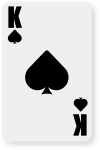
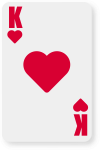
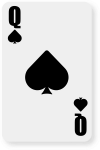
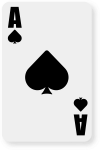
- High pairs with an ace or the nut suit, e.g. AKKQQ or AJJTT double-suited, are strong hands. They open everywhere and are fine squeezes against a raise and a call.
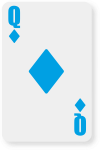
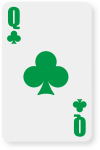
- Two high pairs double-suited, e.g. KKQQ + x with two king-high suits, open from early position and squeeze against a capped calling range.
- One high pair plus a low pair, e.g. KK55x, needs good suits: with a king-high suit and a five-high suit it is a fold from early position.
- Two middle or low pairs, e.g. JJ88x or TT88x, are folds against a raise in most seats except the big blind.


Single-suited double pairs
With only one suit, double-paired hands open about half as often as their double-suited versions. Even a beautiful-looking AKKQQ single-suited is a hand that prefers to call rather than 3-bet: if you squeeze and face a 4-bet, you would have to fold too often after investing a lot. As a pulling hand, it does well in multiway pots with its set value and nut suit.
Position: why the big blind defends and the small blind folds
- Big blind: closing the action at a good price, double-paired hands defend very widely, often folding only the worst low-suited combinations.
- Small blind: out of position with a player behind, even a connected hand like TT887 single-suited folds against a button open most of the time. Out of position you need ways to make the nuts and check-raise; double pairs rarely provide them.
- In position (button), middle double pairs can call opens because position lets them realise their set value cheaply.




Rule of thumb: a double-paired hand needs high pairs, a good suit or an ace to be aggressive. Without them, it is a big blind defense or a button call at best — and often a fold.