The Problem With "Betting for Protection"
Bet for value or as a bluff, not to protect a medium hand
"I have to bet to protect my hand." It sounds sensible, and it is one of the most expensive ideas in poker. In PLO5, where opponents continue with more equity and more often have strong draws, betting medium-strength hands "for protection" is a reliable way to build pots you are not happy to play.
Bet for value or as a bluff
There are two reasons to bet: to get called by worse hands (value) or to fold out better hands (bluff, including semi-bluffs with equity). Protection is a side effect that sometimes comes with a bet, not a reason on its own.
When you bet a hand that is neither a clear value bet nor a clear bluff, three bad things can happen:
- You get check-raised and have to fold a hand that had decent equity — or call off and find yourself dominated.
- You get called, and your opponent's continuing range is now strong enough that your hand, which had 55% against his whole range, is an underdog.
- You get folds mostly from hands you were beating anyway.
Example: an overpair is not a protected hand
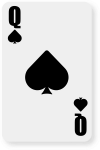
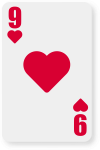
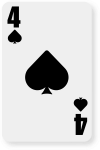
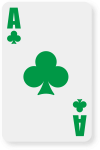
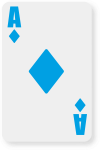
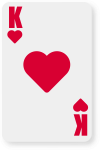

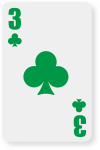
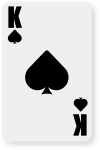


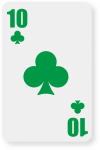
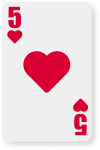
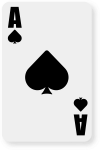
The aces feel like a hand to protect. But the hands that continue against a bet are exactly the hands like this one, which are big favourites. Betting doesn't protect the aces; it builds a pot against the part of the range that crushes them. In position, checking back and seeing a turn is often better, especially without a card of the flush suit.
The better question: "Can I get value?"
Before betting a medium hand, ask which worse hands will call. If the honest answer is "only a few", and many better hands or strong draws will continue, prefer to check. In position you keep the ability to:
- see the turn for free and reassess,
- call a bet on safe turns,
- fold cheaply on bad turns.
Where the idea comes from
Protection betting made sense in passive games where nobody check-raised. If your opponent only ever check-calls or check-folds, betting a medium hand gains a little fold equity and some value from worse hands, and you always see the next card anyway. That is why it is a valid exploit against passive players — and a leak against anyone who check-raises with a sensible range.
Against a typical PLO5 opponent, who falls somewhere between those two extremes, your strategy should also sit in between: bet some medium hands with good blockers, but check most of those without them.
Real hand pattern
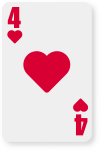
A common situation: the button opens an overpair with two non-nut backdoor flush draws, c-bets a low connected board and gets check-raised. The overpair felt strong, but it had no connection to the board, blocked nothing relevant and was already slightly behind the check-raiser's weaker hands — and far behind his two pair plus draw combinations. With an overpair on such a board, you want an extra component before betting: a pair that blocks the board, a straight draw, or a card of the relevant suit.


Rule: if a hand hates being raised and does not get called by many worse hands, it does not need "protection" — it needs a check.