Turn Strategy Fundamentals
Reading the turn card and deciding whether to barrel
The turn is where PLO5 pots get big. Stacks that were deep on the flop are often one or two bets from all-in, and the turn card frequently changes which hands are the nuts. Good turn play starts with one question: what did this card change?
Four kinds of turn cards
| Turn type | What changes | Typical approach |
|---|---|---|
| Blank / dynamic | No flush, straight or pair completes; draws are still live | Bet larger with your strong hands and best draws; equity denial still matters |
| Flush-completing | A third card of a suit | Ranges polarize; whoever holds more nut flushes can bet; others check more |
| Pairing | Full houses become possible | Small bets are often best |
| Straight-completing | New straights arrive | Bet less often and smaller unless the card favours your range |
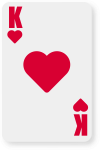
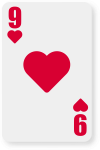
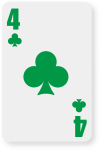
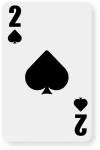
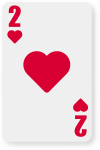
On static turns (flush, pair or straight completing), many hands that were drawing are now made, and many lower flushes and straights are drawing nearly dead against higher ones. Folding out equity becomes less important, so betting frequencies fall and bet sizes shrink.
Double barreling on blank turns
After you c-bet and get called, the best turns to keep betting are cards that don't help your opponent's calling range — and ideally cards you block. If you hold the card that pairs the board or a card that completes a straight, your opponent is less likely to have improved and more likely to fold. On a dynamic blank you can bet as large as the pot allows with strong hands and good semi-bluffs.
When the turn card does not fit that description, be selective. Your opponent's flop calling range contains many more draws than in 4-card PLO, and a turn card you don't block often completes something or adds a strong backdoor for him — an open-ender can easily become a wrap with five cards. Hands that hate a check-raise, such as a top pair with a gutshot and two weak flush draws, often prefer to check the turn.
Overpairs need extra blockers
In 4-card PLO, aces with the ace of the flush suit is a classic turn barrel. In PLO5, bare aces with just the nut flush blocker check back the turn most of the time. To keep betting, an overpair wants several key blockers at once — for example the nut flush blocker plus a card that blocks top pair plus a pair blocking the board. With only one of these, checking and showing down cheaply is usually better.
Value hands: bet with redraws, check without
Bet more often with value hands that have redraws; check more often with value hands that have none.
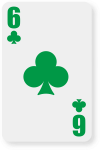
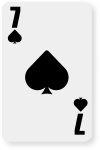
A straight with a flush draw can happily build the pot: if the flush card comes, it is still strong. A bare straight on a two-tone board becomes vulnerable on a third of the rivers and does well to keep some value hands in its checking range. The same logic applies to sets with and without flush draws.


Sizing on special turns
- Flush-completing turns: if your range holds more nut flushes (often the 3-bettor's, because of nut-suited aces), choose a size that lets you grow the pot geometrically to all-in by the river and turn your opponent's medium flushes into bluff-catchers.
- Pairing turns: a very small bet, around a quarter of the pot, works well for the aggressor in 3-bet pots. Many of the caller's strongest hands raised the flop, and the aggressor's overpairs gain value when the board pairs. The small size targets draws and gets you to the river cheaply.
- Straight-completing turns: bet less and use half pot when you do. Several new straights usually favour the caller; one high straight may still favour the raiser.
Out of position in 3-bet pots
Because many 3-bet pot flops are checked by the 3-bettor, the range that does bet the flop is strong. On blank or high turns, that range can keep betting at a high frequency. At an SPR below 2 on a dynamic turn, the plan simplifies: the best hands check (to trap), the middle of the range shoves, and the weakest hands give up. Hands with the worst draws and the least backup are the ones to check from the middle.
Turn checklist
- Which hands did this card complete, and who has more of them?
- Do I block what my opponent needs?
- Does my hand have a redraw if I bet and get called?
- What will I do on the river after betting and being called — and after being raised?